Biorobotics in Healthcare: Blending Biology and Robotics for Advanced Patient Care
Published on: January 18, 2025
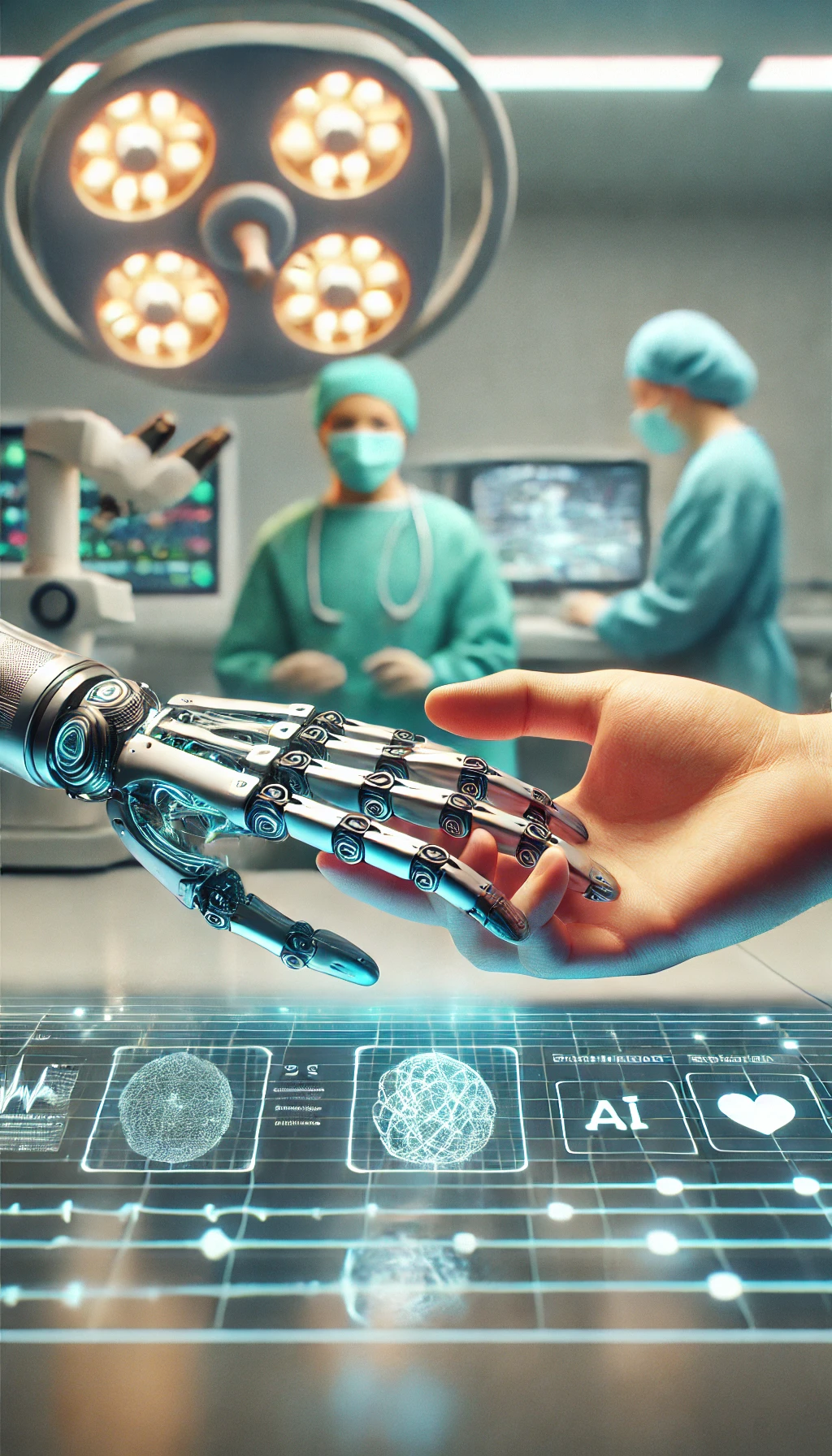
In recent years, the intersection of biology and robotics, known as biorobotics, has revolutionized the healthcare industry. By mimicking biological systems and integrating them with advanced robotic technologies, biorobotics promises transformative impacts on patient care, surgery, rehabilitation, and beyond. This article delves into how biorobotics is reshaping modern medicine, showcasing cutting-edge innovations while exploring the ethical and societal challenges that accompany them.
The Evolution of Biorobotics in Medicine
Biorobotics stems from the aspiration to create systems that replicate the complexity of biological organisms. Early developments in robotics primarily focused on automation and mechanical precision, with applications limited to repetitive or industrial tasks. However, the rapid evolution of artificial intelligence (AI), bioengineering, and material science has expanded the potential of robotics, giving rise to systems that emulate human-like functions, respond dynamically to complex environments, and interact seamlessly with living tissues.
This shift has transformed the field of healthcare, enabling breakthroughs such as robotic-assisted surgeries, AI-powered prosthetics, and biohybrid devices that blur the line between living and mechanical systems. For example, advancements in AI algorithms have allowed surgical robots to analyze real-time data and provide predictive insights during procedures, significantly reducing risks and improving patient outcomes. Similarly, the integration of smart sensors into prosthetics has revolutionized their functionality, enabling precise control and a natural user experience.
In addition, biohybrid devices represent a leap forward in medical technology, merging biological tissues with robotic frameworks to create systems capable of replicating and even enhancing natural functions. These innovations not only optimize patient care but also open new possibilities for treating conditions that were previously considered untreatable. The convergence of these disciplines underscores the transformative potential of biorobotics, setting the stage for a future where technology and biology are inextricably linked to redefine the limits of medicine.
Cutting-Edge Applications of Biorobotics
1. Surgical Robotics
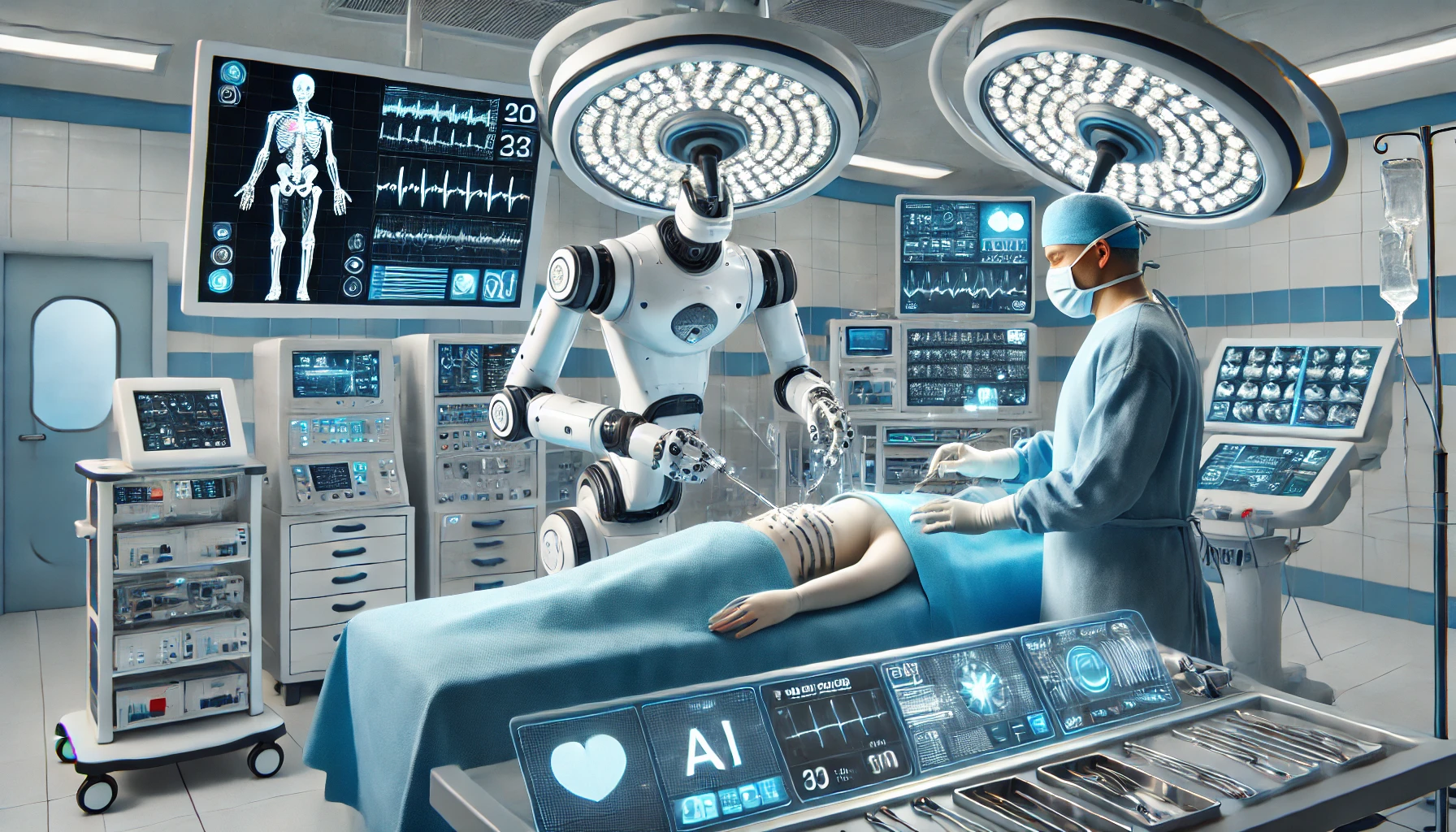
Perhaps the most visible impact of biorobotics is in the field of surgical robotics. Systems like the da Vinci Surgical System have transformed minimally invasive surgery by providing surgeons with enhanced dexterity, precision, and control. Using robotic arms controlled via a console, surgeons can perform complex procedures through tiny incisions, reducing patient recovery times and minimizing risks such as infection.
Emerging surgical robots are becoming even more sophisticated, incorporating AI to provide real-time feedback during procedures. These systems can analyze data, predict complications, and assist surgeons in making informed decisions. For example, Smart Tissue Autonomous Robot (STAR) has demonstrated the ability to perform intricate sutures with greater precision than human surgeons. The development of fully autonomous surgical robots marks a new milestone, potentially enabling surgeries in remote or underserved areas.
2. Prosthetics and Mobility Enhancements
Modern prosthetics have come a long way from simple mechanical designs. AI-enhanced bionic limbs now offer unparalleled functionality, adapting to users' movements and intentions. These devices use sensors to interpret neural signals or muscle activity, enabling wearers to perform complex tasks with remarkable ease.
For instance, the LUKE arm—developed by DEKA Research—provides multiple degrees of freedom and a natural range of motion, restoring not just functionality but also a sense of normalcy to amputees. Furthermore, exoskeletons like Ekso Bionics assist individuals with mobility impairments, enabling them to walk and regain independence. Recent advancements also focus on sensory feedback, allowing users to "feel" through their prosthetics, enhancing the overall user experience.
3. Biohybrid Devices and Tissue Engineering
One of the most groundbreaking areas of biorobotics is the development of biohybrid devices that integrate living cells with mechanical systems. These devices often involve growing living tissues on robotic frameworks, enabling them to mimic natural biological functions.
For example, researchers have created biohybrid robots powered by muscle cells that respond to electrical stimuli, paving the way for devices that can repair or augment biological systems. Such innovations hold promise for regenerative medicine, allowing damaged tissues or organs to be replaced with biohybrid alternatives. In addition, advancements in 3D bioprinting are enabling the creation of complex tissue structures, potentially revolutionizing organ transplantation.
4. Diagnostics and Disease Monitoring
Biorobotics is also transforming diagnostics through micro-robots and nano-robots capable of navigating the human body. These tiny devices can deliver drugs precisely to affected areas, perform biopsies, or monitor health conditions from within.
For instance, researchers are developing nano-robots designed to target cancer cells, releasing chemotherapy drugs directly at the tumor site while minimizing side effects. Similarly, swallowable pill robots equipped with cameras and sensors enable non-invasive gastrointestinal diagnostics, offering patients a safer and more comfortable alternative to traditional procedures. These advancements are complemented by AI algorithms that analyze collected data to identify patterns and predict potential health risks.
5. Rehabilitation and Assistive Devices
Rehabilitation technology has also benefitted immensely from biorobotics. Devices such as robotic therapy arms and powered orthoses are helping patients recover from strokes and spinal injuries more effectively. By combining sensors, AI, and robotics, these devices adapt to patients' progress, providing personalized therapy sessions that optimize recovery times and outcomes. The integration of virtual reality (VR) further enhances these experiences, allowing patients to engage in immersive exercises designed to restore mobility and coordination.
6. Wearable Biorobotics
Wearable robotic devices, such as smart braces and robotic gloves, are gaining popularity in patient care. These devices offer real-time support for individuals with limited mobility or chronic conditions. By continuously monitoring physical activity and providing corrective assistance, wearable biorobotics improve quality of life while preventing further complications. Innovations in lightweight materials and compact power sources are making these devices more comfortable and accessible for daily use.
Ethical and Societal Considerations
While the potential of biorobotics in healthcare is immense, it raises important ethical and societal questions that must be addressed.
1. Blurring the Line Between Human and Machine
As biorobotics integrates living tissues with mechanical systems, it challenges traditional notions of what it means to be human. For instance, biohybrid prosthetics capable of sensory feedback blur the boundary between biological and artificial, prompting philosophical debates about identity and individuality.
2. Accessibility and Equity
Advanced biorobotic technologies often come with significant costs, raising concerns about equitable access. If these innovations are only available to wealthy individuals or developed nations, they risk exacerbating existing healthcare disparities. Efforts to make these technologies more affordable and widely available will be critical to ensuring they benefit all sectors of society.
3. Privacy and Data Security
AI-driven biorobotics relies heavily on data—from patient health records to real-time physiological monitoring. Ensuring the privacy and security of this data is paramount to prevent misuse, such as unauthorized surveillance or discrimination based on health information. Robust encryption protocols, transparency, and strict regulatory frameworks are essential for protecting patient data.
4. Regulatory and Legal Challenges
Biorobotics also poses unique regulatory challenges. Who is liable if a surgical robot malfunctions? How should biohybrid devices be classified under existing medical regulations? Policymakers must navigate these complexities to create frameworks that ensure safety without stifling innovation. Collaborative efforts between governments, healthcare institutions, and technology developers will play a vital role in shaping these regulations.
5. Ethical Use of AI
The incorporation of AI in biorobotics introduces ethical dilemmas related to decision-making. For example, how much autonomy should a surgical robot have? Should AI be allowed to make life-or-death decisions? Balancing technological advancements with ethical considerations will be a defining challenge as AI becomes more integrated into healthcare systems.
The Future of Biorobotics in Healthcare
The trajectory of biorobotics suggests a future where the boundaries of medicine are continually redefined. Innovations on the horizon include:
- Smart Implants: Devices capable of monitoring health conditions and providing real-time treatment adjustments.
- Self-Healing Robots: Biohybrid systems that can repair themselves, extending their functionality and lifespan.
- Personalized Robotics: Tailored solutions that adapt to individual patients’ needs, enhancing the efficacy of treatments.
- Integrated Biofeedback Systems: Devices that not only monitor but also communicate with the body to stimulate healing processes or regulate physiological functions.
- Autonomous Nano-Robots: Miniature robots capable of performing complex tasks inside the body, such as clearing arterial blockages or repairing cellular damage.
Collaborations between researchers, engineers, and healthcare professionals will be essential to unlock the full potential of biorobotics. Interdisciplinary efforts can ensure that these technologies are not only innovative but also practical, ethical, and accessible.
Biorobotics represents a paradigm shift in healthcare, merging the precision of robotics with the adaptability of biological systems. From enhancing surgical precision to restoring mobility and revolutionizing diagnostics, the possibilities are as exciting as they are vast. However, navigating the ethical, societal, and regulatory challenges will be crucial to realizing a future where biorobotics serves humanity equitably and responsibly.
As we stand on the cusp of this new frontier, biorobotics invites us to envision a world where technology not only augments human capabilities but also redefines the very essence of life and care. The journey ahead promises to be one of discovery, innovation, and profound transformation for the field of medicine and beyond. By embracing these advancements thoughtfully and inclusively, we can ensure a future where biorobotics fulfills its potential to improve lives worldwide. The horizon of healthcare innovation is vast, and biorobotics serves as a beacon of hope and progress for the betterment of humanity.